LiveRamp extends ChatGPT Ads integration to first-party audience activation across 11 markets
LiveRamp has expanded its ChatGPT Ads integration beyond conversion measurement to include first-party audience activation, allowing marketers to use RampID-linked CRM, loyalty, behavioral, web and app data to build Custom Audiences in 11 markets, with broader expansion planned.

LiveRamp has expanded its integration with ChatGPT Ads from conversion measurement into audience activation, enabling marketers to use RampID-linked first-party data to build Custom Audiences across 11 markets, the company announced on 28 September 2026.
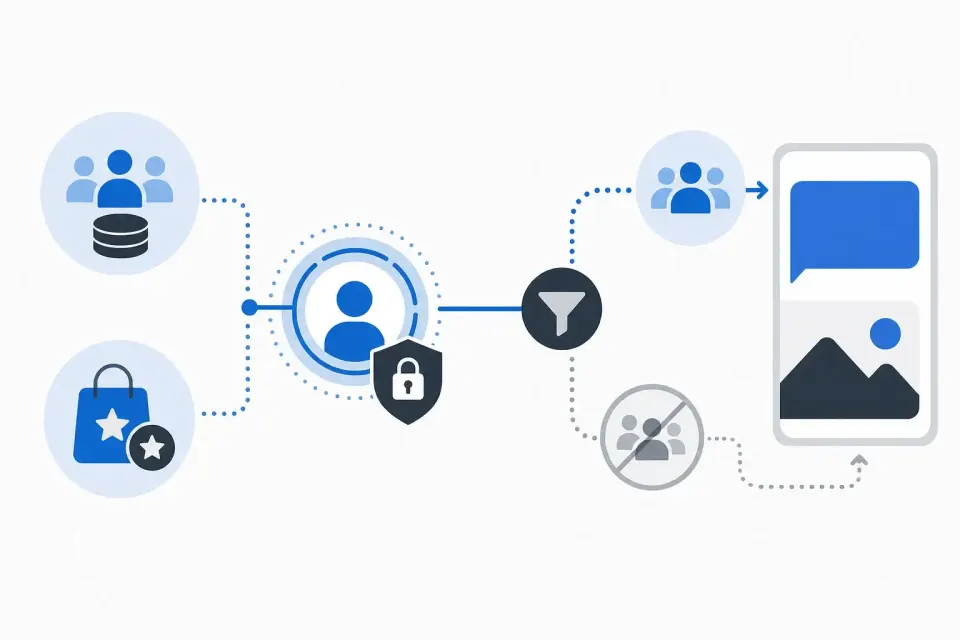
The update allows CRM records, loyalty data, behavioral data, web data and app data to feed audience targeting and suppression in ChatGPT Ads through LiveRamp's existing identity infrastructure. LiveRamp said the integration will expand further as ChatGPT Ads reaches additional markets, though the company did not name all 11 markets covered at launch.
From measurement to activation
LiveRamp's earlier work on ChatGPT Ads was focused on conversion measurement. Its CAPI Hub provided advertisers with a server-side route for sending conversion signals back to the platform. The September 28 update adds a pre-campaign layer, with marketers now able to use RampID to activate first-party data as Custom Audiences in ChatGPT Ads.
According to ContentGrip, which reported the announcement, this changes LiveRamp's role from post-campaign measurement infrastructure into part of pre-campaign media activation.
Operational interoperability
OpenAI already supports Custom Audience uploads inside Ads Manager for inclusion or exclusion purposes. LiveRamp's integration makes that workflow more interoperable by allowing brands to resolve first-party data through RampID and activate that audience alongside other media destinations, rather than managing separate audience processes for each platform.
ContentGrip noted that for large media teams and agencies managing multiple channels, the operational benefit is consistency — customer suppression, loyalty segmentation and prospect activation can be managed from a common identity layer.
OpenAI's audience rules still apply
The integration operates within OpenAI's own audience policies. OpenAI's documentation states that inclusion audiences require a minimum of 25,000 matched users, while smaller matched audiences can still be used for exclusions. OpenAI's Ads Manager does not show individual matched users.
ContentGrip cautioned that audience eligibility controls do not give marketers access to individual ChatGPT conversations. ChatGPT Ads continues to use a separate conversational relevance system, meaning first-party data can define who is eligible for a campaign but does not determine the exact conversation in which an ad appears.
Early implementation
LiveRamp said Allegiance Group & Pursuant is implementing the integration for a nonprofit client. The agency framed the value around reaching ChatGPT users while understanding the channel's contribution alongside other media investments.
ContentGrip advised marketers testing the integration to track match rates, audience freshness, suppression accuracy and conversion quality, and to keep consent and data-governance rules consistent with how the original first-party data was collected.
Prepared with AI assistance by Endata and reviewed by the editorial team.