Voltage president Corey Morris has outlined a six-step SEO content roadmap designed for the AI search era, arguing that traditional keyword-volume-first strategies are insufficient when Google AI Overviews suppress organic clicks by roughly 58 percent on top-ranked pages.
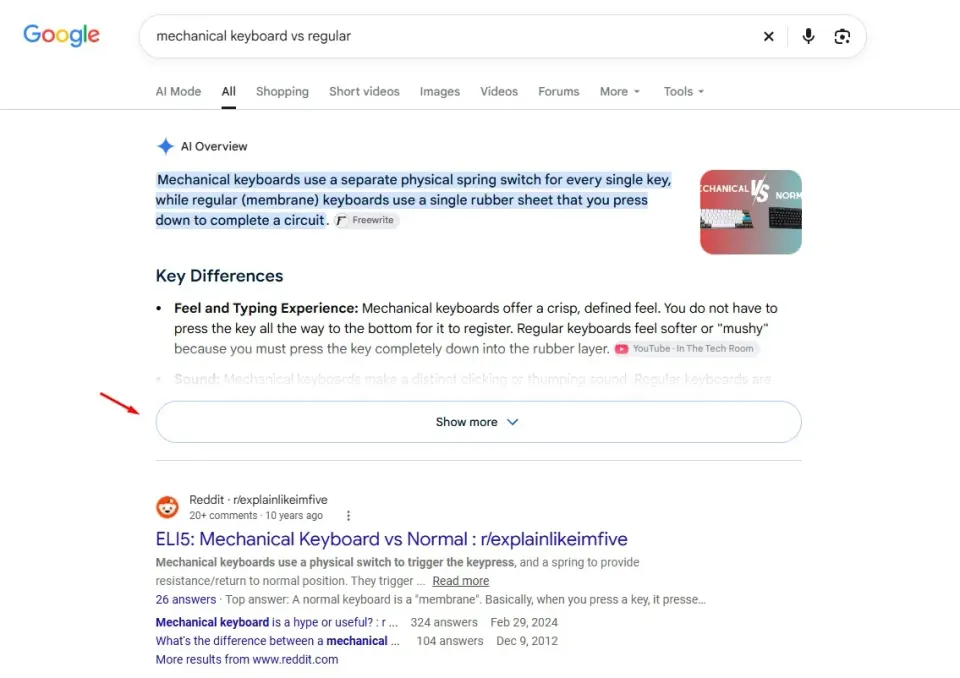
Google is again experimenting with placing AI Overview citation cards at the bottom of desktop search results rather than on the right side, marking at least the third time the company has tested this layout variation since September 2025.
Perplexity has released Photon, an in-house retrieval and ranking engine written in Rust, replacing a forked open-source engine. The company reports that production p99 latency dropped from roughly 800 ms to 65 ms. Photon now handles all production search traffic and powers a new Fast Search mode in the Perplexity Search API, priced at $1 per 1,000 requests.
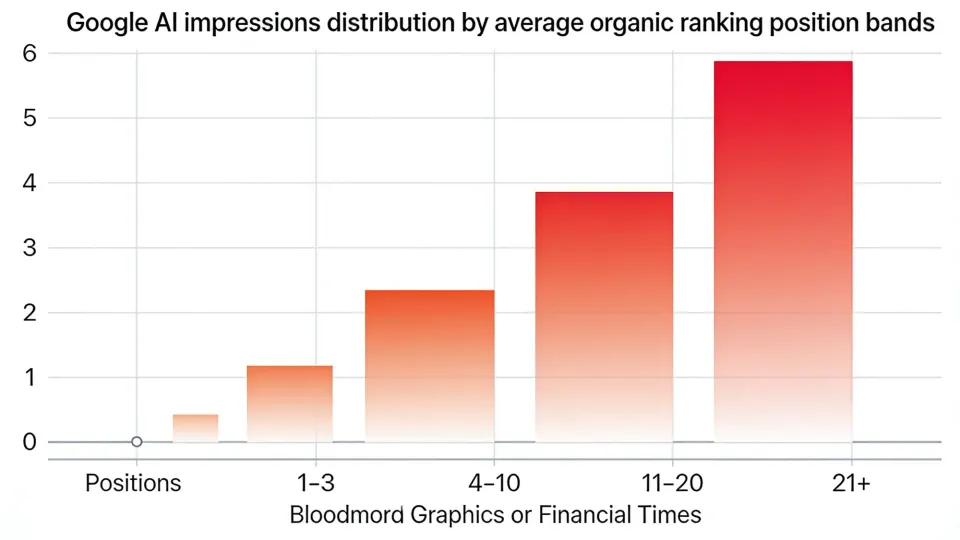
Analysis of Google Search Console's new Generative AI report reveals that high organic rankings do not reliably predict visibility in AI Overviews or AI Mode. Data from a major travel site shows brand reputation and content usefulness are stronger drivers of AI search exposure than organic position alone.
Growth consultant Jason Shafton of Winston Francois outlines five measures — brand presence on buyer prompts, answer accuracy, AI referral conversions, branded search volume, and self-reported attribution — to help B2B companies determine whether their AI search activity is generating qualified pipeline, not just impressions.
Rodney Rambo left Converse in January 2026, months before a disputed campaign ran, yet AI answer engines continued to associate the former global CMO with the brand. Adweek reported on September 29 that the stale data exposed Rambo to online abuse and threats, illustrating how outdated public identity records can misdirect reputational harm and why marketers must treat executive identity data as a brand-critical asset.
Search Engine Journal has announced a webinar scheduled for October 14, 2026, in which STAT's Tom Capper will outline measurement challenges posed by AI Overviews and large language models and offer tactical solutions for enterprise SEO practitioners.
A Search Engine Journal analysis argues that AI agents do not fix poor audience data but instead scale its flaws at machine speed, cautioning marketers that citation counts in AI search results are an insufficient measure of success without underlying data quality.
A new Creator AEO playbook from social media platform Later, based on a survey of 487 marketers, finds that as many as one in three AI answers cite creator content, while most brands continue to invest their AI search budgets in company-owned channels that AI models weigh least.
Third-party tracking data shows external links inside Google AI Overview answer text rose sharply from near zero to 26.2% between early and late September 2026, while a separate recording demonstrates that some underlined text in AI Overviews opens AI Mode rather than an external webpage. Google's own Search Console reports do not currently provide enough data to measure click-through rates from AI features.
A convergence of academic studies — including a Wharton experiment with more than 10,000 participants and a Pew Research Center tracking study of nearly 69,000 Google searches — shows that AI-generated summaries reduce how much users learn, suppress source clicks, and erode the natural feedback loop that once let readers gauge how reliable an answer was. Writing for Search Engine Journal, Duane Forrester argues the findings carry direct consequences for content publishers and B2B marketers.
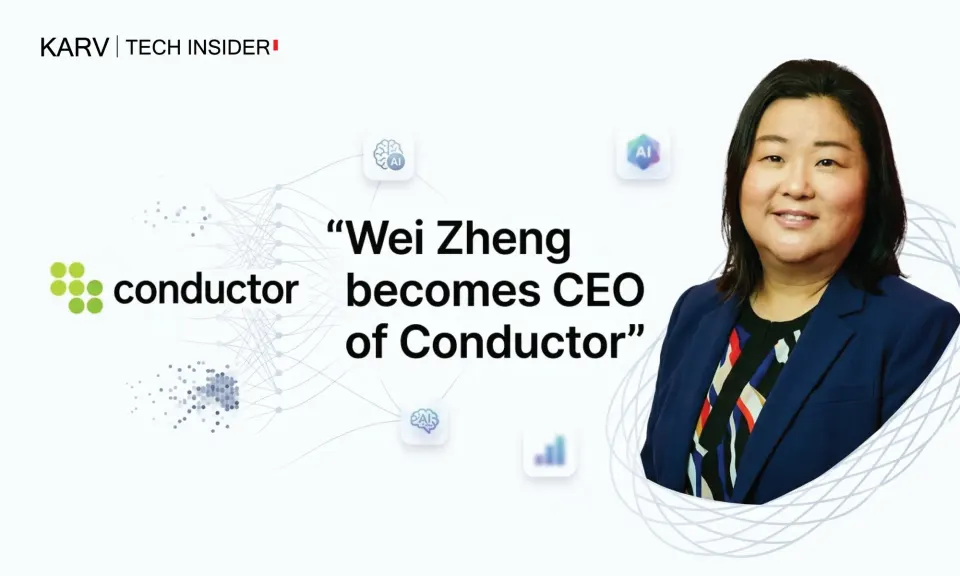
Enterprise digital visibility company Conductor has appointed Wei Zheng as Chief Executive Officer, promoting her from her previous role as Chief Product Officer. The move comes as Conductor deepens its focus on Answer Engine Optimization (AEO) amid the growing influence of AI on how consumers discover and evaluate brands.