AI Answer Engines Linked Departed Converse CMO to Controversial Campaign, Exposing Identity-Data Risk
Rodney Rambo left Converse in January 2026, months before a disputed campaign ran, yet AI answer engines continued to associate the former global CMO with the brand. Adweek reported on September 29 that the stale data exposed Rambo to online abuse and threats, illustrating how outdated public identity records can misdirect reputational harm and why marketers must treat executive identity data as a brand-critical asset.

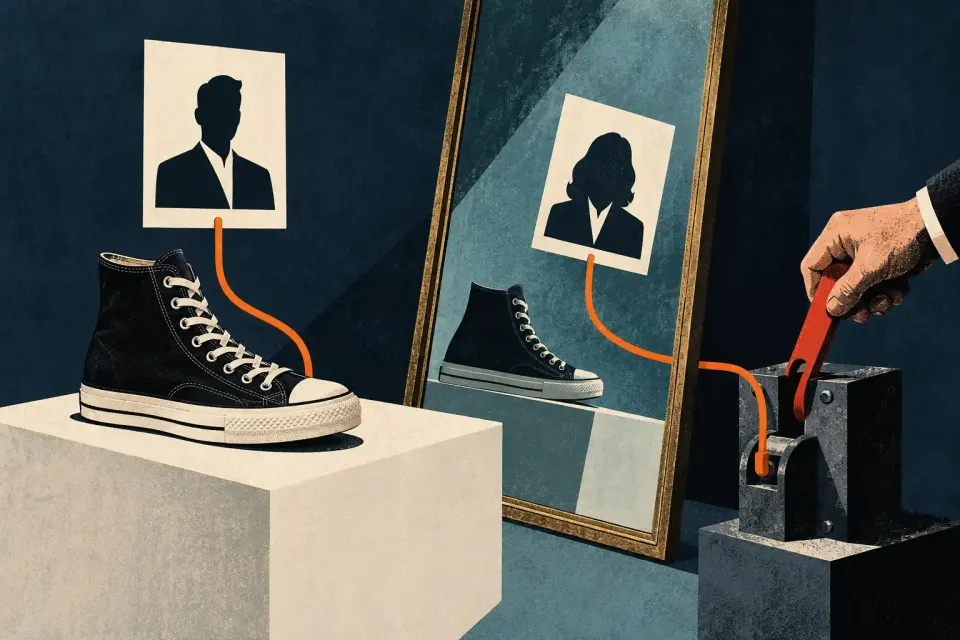
Rodney Rambo departed Converse in January 2026, months before the sneaker brand's disputed advertising campaign ran — but AI answer engines continued to attach his name to the company, according to a report by Adweek published on September 29. Rambo, who had served as Converse's global chief marketing officer, told Adweek that the erroneous association put him in the path of abuse and threats.
The mismatch is an identity-resolution failure rather than a complex interpretive error. According to The State of AI Marketing's analysis of the Adweek report, "the wrong association did not come from a difficult interpretation of the campaign. It came from an out-of-date corporate relationship."
Converse issued an apology after the campaign drew public criticism. According to coverage of the company's statement, the brand said it understood why the image was upsetting and that it had gotten it wrong. The State of AI Marketing noted that "an answer engine that collapses a former leader into the current story changes who absorbs the cost of the correction."
The case highlights a structural difference between traditional search and AI answer engines. A conventional search result presents a source that a reader can evaluate; an answer engine typically delivers a conclusion — a name paired with a brand — without surfacing the stale conference bio, directory listing or copied company page that supplied the connection.
The State of AI Marketing cited prior research finding that answer engines cite named individuals far more often than generic company pages, which it said amplifies both the upside and the downside of a named executive's public presence. A quote attributed to Rambo from a previous Association of National Advertisers post — "People tell the best stories, not brands" — was used to illustrate that dynamic.
The publication described the underlying problem as an identity-resolution gap: which person held which role, during which period, and who is accountable for a current decision. It argued that the durable fix lies in the public record itself — keeping a current leadership page with start and departure information, publishing transition notes when senior operators leave, and ensuring that third-party profiles reflect accurate tenure dates — rather than in prompt engineering or reactive corrections after an answer has spread.
The State of AI Marketing also noted a broader compounding risk: AI answer systems can surface a brand differently depending on who is asking, meaning that inaccurate identity data may affect early-stage research by customers, journalists and potential employees, not only direct brand searches.
Prepared with AI assistance by Endata and reviewed by the editorial team.