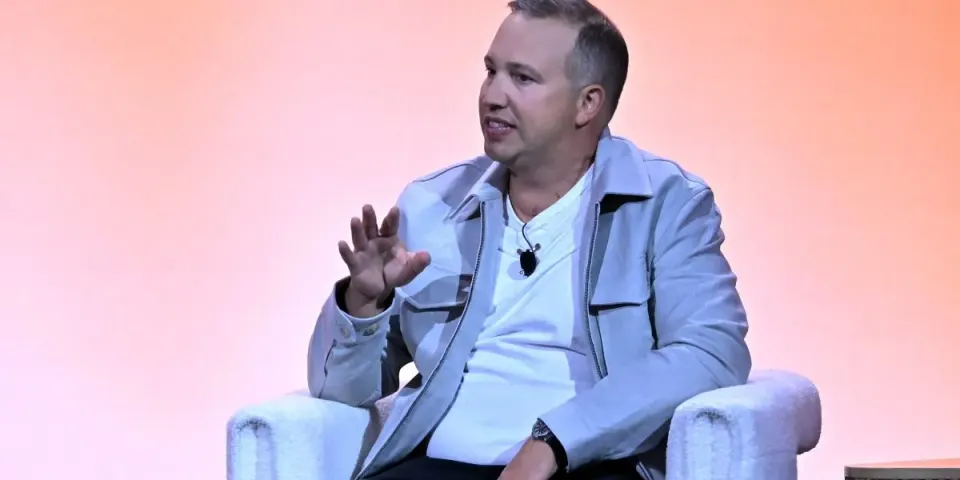
Google Search Advocate John Mueller has acknowledged that Search Console relies on "block flattening" to record AI Overview positions, assigning every link inside an AI-generated summary a single rank rather than tracking individual placements. SEO analysts say this makes average position data misleading and are calling on marketers to replace traditional ranking metrics with direct outcome measures such as site visits, inquiries, and conversions.
HubSpot's chief marketing officer and a senior growth executive say the inbound marketing model they helped create is no longer fit for purpose, citing a loss of 5 million blog visits in a single month and a 37% rise in AI-driven search as evidence. Writing in Fortune, Kipp Bodnar and Kieran Flanagan argue that AI answer engines have shattered the traditional buyer funnel and call for a full organisational transformation built around a new "Loop Marketing" framework.
A webinar hosted by Go Fish Digital and OpenAI outlined the distinct roles of paid ChatGPT ads and earned generative engine optimization (GEO) visibility, explaining how to measure brand presence in AI-generated answers and why website evidence must come first.
A diginomica analysis published on 21 September 2026 argues that earning enterprise buyer trust in AI requires more than ROI metrics, calling for transparency in pricing and data handling, explainability, and genuine buyer empathy. The piece also rounds up Dreamforce 2026 highlights, including Salesforce CEO Marc Benioff's interface-agnostic stance, and surveys broader enterprise AI debates around tokenomics, agentic failures, and AI leadership.
Multiple datasets from Meltwater, Tinuiti, OtterlyAI, Weglot, and Scrunch show YouTube has become the most-cited platform across eight major AI systems, with long-form videos between 10 and 20 minutes receiving the highest share of citations — though those citations can fade by roughly 43% within a month.
A tiered reference table published by SEO consultant Chris Green maps the data sources currently used by AI search tools such as Google Gemini, Microsoft Copilot, and ChatGPT, ranging from confirmed real-time grounding feeds to historical pretraining corpora, and urges search practitioners to broaden their focus beyond traditional web rankings.
Trendos Chief Commercial Officer Gintare Rimolaityte outlined a citation-audit framework in a Search Engine Journal webinar, showing marketers how to identify which sources inform AI-generated answers across Google AI Overviews, Perplexity, ChatGPT, and Gemini — and how to turn competitor citation gaps into a concrete action list.
Baidu has introduced an AI Traffic Analysis section in its webmaster tools, tracking four new metrics—AI Citations, AI Impressions, AI Clicks, and AI CTR—though the dashboard remains empty as the rollout is still in progress. The move makes Baidu one of the few search engines to report AI citations as a distinct category, offering international brands a rare source of first-party AI visibility data in the Chinese market.
A Search Engine Journal analysis argues that AI-assisted research has created a "Day Zero" window in B2B buying, during which buying groups form vendor preferences before any formal procurement activity begins, making early brand visibility more decisive than search-engine placement alone.
At its Unbound 2026 conference, HubSpot announced what it describes as its most foundational product release, introducing a Growth Context framework, a self-updating CRM, a redesigned Breeze Assistant, Marketing Studio public beta, and new advertising integrations including a first-of-its-kind ChatGPT Ads connection.
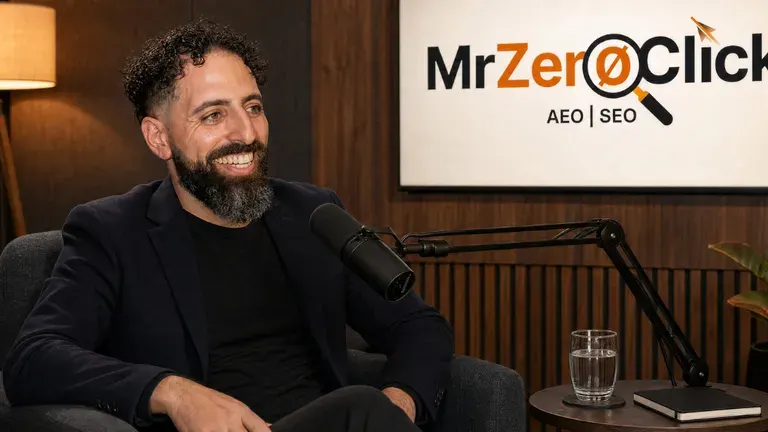
Marcel Harfouche, founder of Australian consultancy MrZeroClick, is positioning brands to gain visibility inside AI-generated answers rather than traditional search rankings, as a reported 68 percent of searches now end without a click. CEO Times profiled his approach on 20 September 2026, noting a Best of Best Review recognition as Best AI Search Expert in Australia of 2026.
A Fiverr survey of top-rated search freelancers finds that more respondents reported a rise in client requests for generative engine optimization (GEO) than for Google-ranking work over the past year, according to the platform's 2026 Holiday Marketing Index released on September 21. The report also highlights growing pricing pressure on AI-assisted work and a shift toward advisory roles for search specialists.