As AI agents increasingly handle product discovery and purchasing on behalf of consumers, a new category of startup is emerging to help US brands optimise their visibility to these non-human buyers — shifting marketing strategy from emotional appeal to structured data and logic.
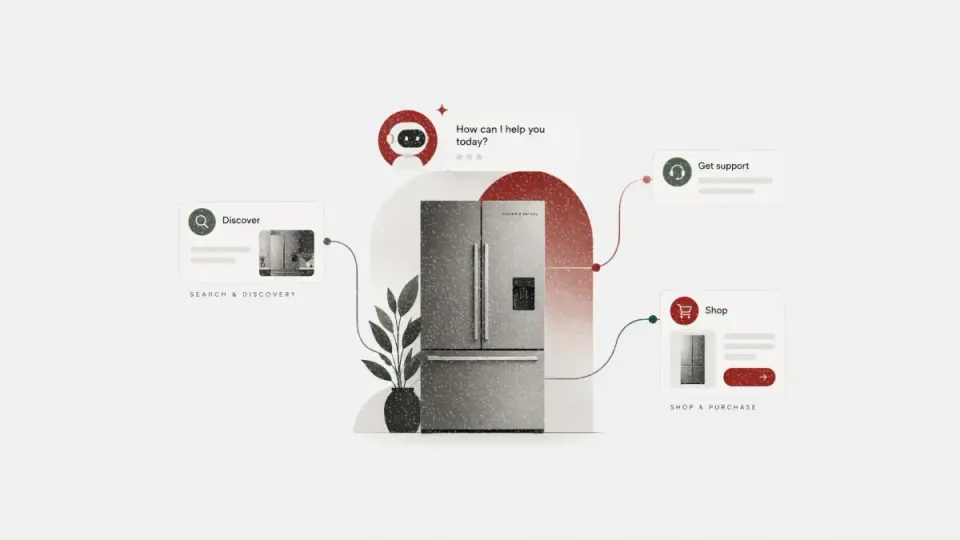
Fisher & Paykel's chief digital officer Rudi Khoury says customers are already using GPT-style tools as research interfaces, pushing the appliance company to treat AI as a marketing and discovery problem, not just a customer-service efficiency tool. The company's Agentforce-based service agent and broader roadmap reflect a view that discovery, service and conversion are converging inside conversational AI environments.
At Ibexa's Orchestration Day in Paris on 17 June 2026, CEO Bertrand Maugain argued that generative AI has worsened martech stack fragmentation rather than resolving it, and that enterprises need integrated orchestration platforms and human "super-orchestrators" to govern AI-driven campaigns and maintain consumer trust.
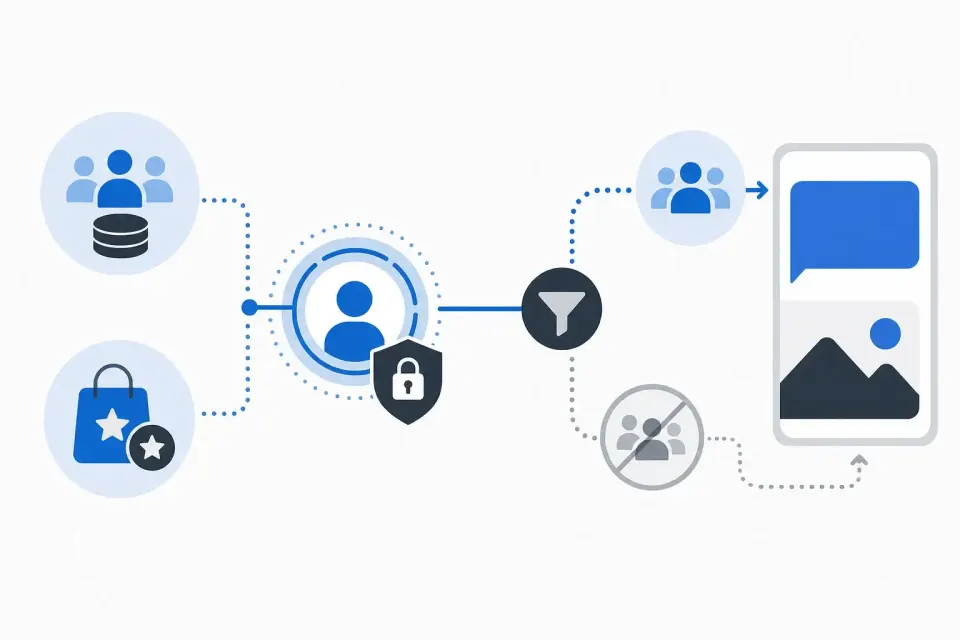
LiveRamp has expanded its ChatGPT Ads integration beyond conversion measurement to include first-party audience activation, allowing marketers to use RampID-linked CRM, loyalty, behavioral, web and app data to build Custom Audiences in 11 markets, with broader expansion planned.
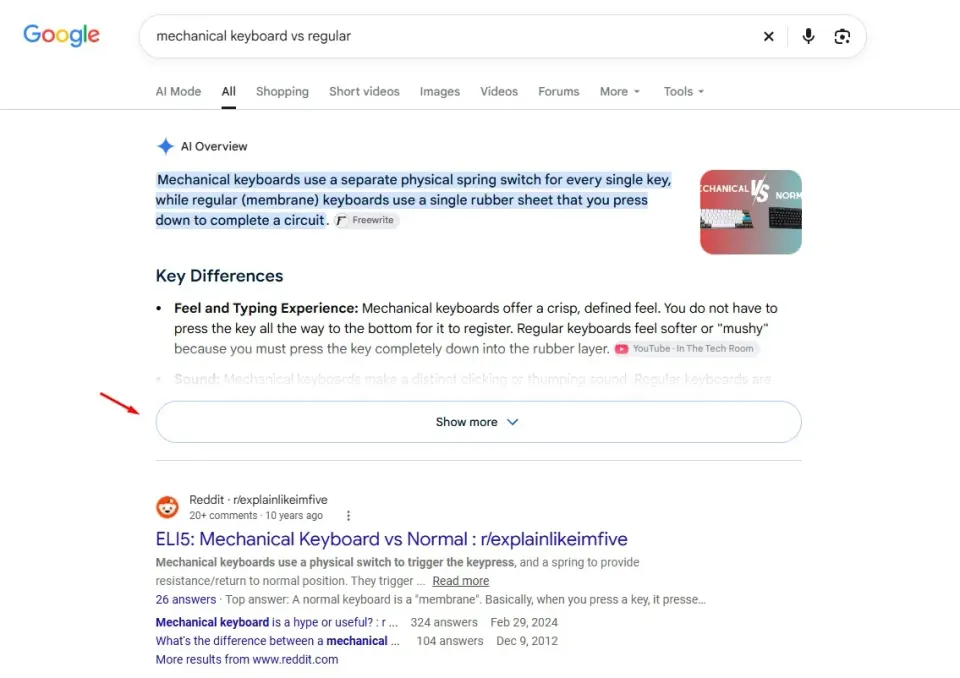
Google is again experimenting with placing AI Overview citation cards at the bottom of desktop search results rather than on the right side, marking at least the third time the company has tested this layout variation since September 2025.
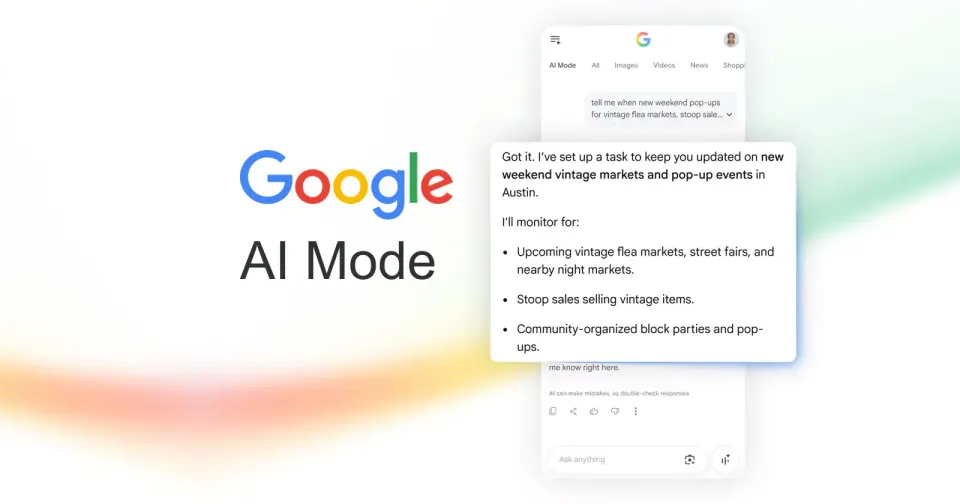
Google has expanded its AI Mode information monitoring feature to all users worldwide, moving beyond its earlier limited rollout to AI Ultra and Pro subscribers. The feature continuously checks the web for updates on topics users ask it to watch, and can also proactively suggest monitoring tasks during searches.
Growth consultant Jason Shafton of Winston Francois outlines five measures — brand presence on buyer prompts, answer accuracy, AI referral conversions, branded search volume, and self-reported attribution — to help B2B companies determine whether their AI search activity is generating qualified pipeline, not just impressions.
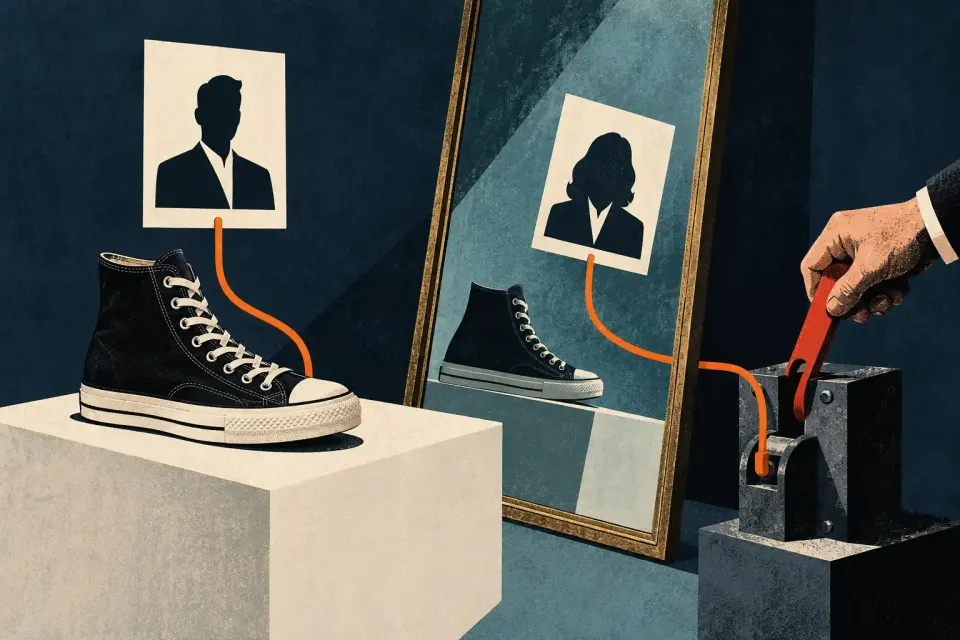
Rodney Rambo left Converse in January 2026, months before a disputed campaign ran, yet AI answer engines continued to associate the former global CMO with the brand. Adweek reported on September 29 that the stale data exposed Rambo to online abuse and threats, illustrating how outdated public identity records can misdirect reputational harm and why marketers must treat executive identity data as a brand-critical asset.
OpenAI introduced Dots at DevDay on September 29, 2026, bringing persistent AI agents to ChatGPT that can carry context across marketing tasks — from research to content drafting — without requiring a new prompt each time conditions change. The launch initially targets ChatGPT Pro, Business Premium and Enterprise users, with one Dot per user. No independent performance data has yet been published.
OpenAI introduced Dots on September 29, 2026 — persistent AI agents powered by GPT-6 Astra that can maintain context, operate across more than 4,000 connected apps, and continue working toward goals without waiting for a new user prompt. The rollout begins across Pro, Business Premium, and Enterprise plans, with implications for marketing operations, content workflows, and enterprise governance.
CMSWire argues that AI-driven content generation has expanded the pool of potential brand creators to "effectively unlimited" scale, forcing organizations to shift governance from reviewing finished outputs to controlling the data, rules, and sources that AI systems draw from — a model it calls "AI-native governance."
ZoomInfo acquired agentic orchestration platform DoubleO.ai on September 30, 2026, and made its Agent Teams product available inside GTM Studio the following day with no new SKU or contract required. The multi-agent system is designed to run complex sales plays reliably, including tracking former champions to new accounts, but independent reliability data beyond a single customer reference remains limited.