As AI agents increasingly handle product discovery and purchasing on behalf of consumers, a new category of startup is emerging to help US brands optimise their visibility to these non-human buyers — shifting marketing strategy from emotional appeal to structured data and logic.
Search Engine Journal has announced a webinar scheduled for October 14, 2026, in which STAT's Tom Capper will outline measurement challenges posed by AI Overviews and large language models and offer tactical solutions for enterprise SEO practitioners.
Wyndham Hotels & Resorts, Opella and BetMGM are among a growing tier of advertisers building in-house AI creative teams to mass-produce digital assets, reporting dramatic output gains while exercising selective guardrails on automated content.
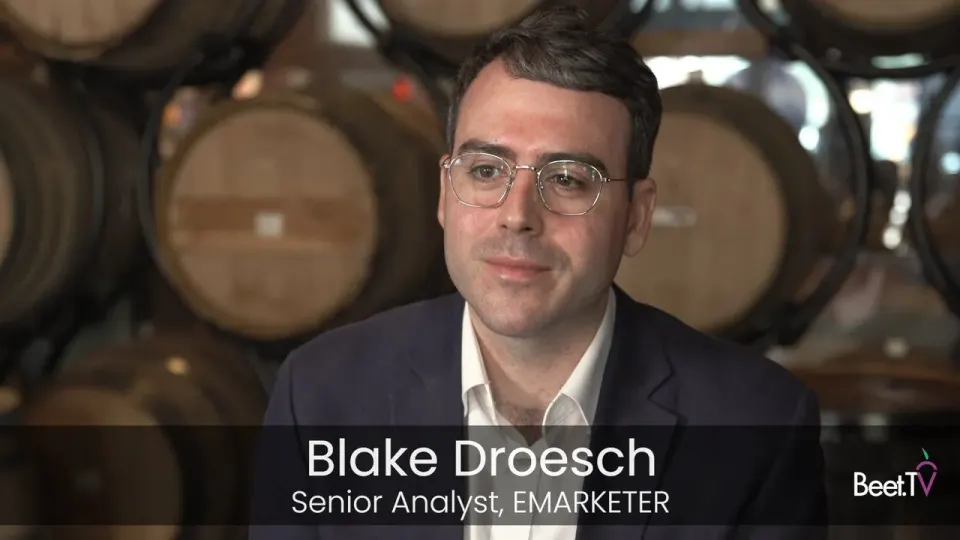
At EMARKETER's Future of Digital Summit 2026, senior analyst Blake Droesch said AI platforms surface far fewer products to consumers than traditional retail or search, creating urgency for brands to secure visibility through owned websites and strong retail channel presence — while questioning whether rising generative engine optimization (GEO) spending delivers sufficient ROI.
Stagwell's chief AI officer John Kahan has outlined how the challenger holding company is using Palantir's platform-agnostic data infrastructure and Harvard-certified differential privacy to build an AI-powered marketing platform it says outflanks competitors on flexibility and data protection.
Matt Maher, founder and CEO of M7 Innovations, has been named a 2026 LinkedIn Top Voice, an invitation-only recognition for global experts and innovators. LinkedIn's Editor-at-Large Andrew Seaman cited Maher's balanced, humor-laced approach to AI commentary as a distinguishing factor.
New LinkedIn research finds 88% of Australian B2B marketers believe their company's future growth depends on engaging Gen Z and Millennial decision-makers, as LinkedIn platform data shows those generations now hold 48% of Australian leadership roles — up from 35% in 2016. The study points to expert-voice content and trusted professional networks as the most effective strategies for reaching younger buyers, while credibility is increasingly rated above visibility as AI reshapes brand discovery.
A convergence of academic studies — including a Wharton experiment with more than 10,000 participants and a Pew Research Center tracking study of nearly 69,000 Google searches — shows that AI-generated summaries reduce how much users learn, suppress source clicks, and erode the natural feedback loop that once let readers gauge how reliable an answer was. Writing for Search Engine Journal, Duane Forrester argues the findings carry direct consequences for content publishers and B2B marketers.
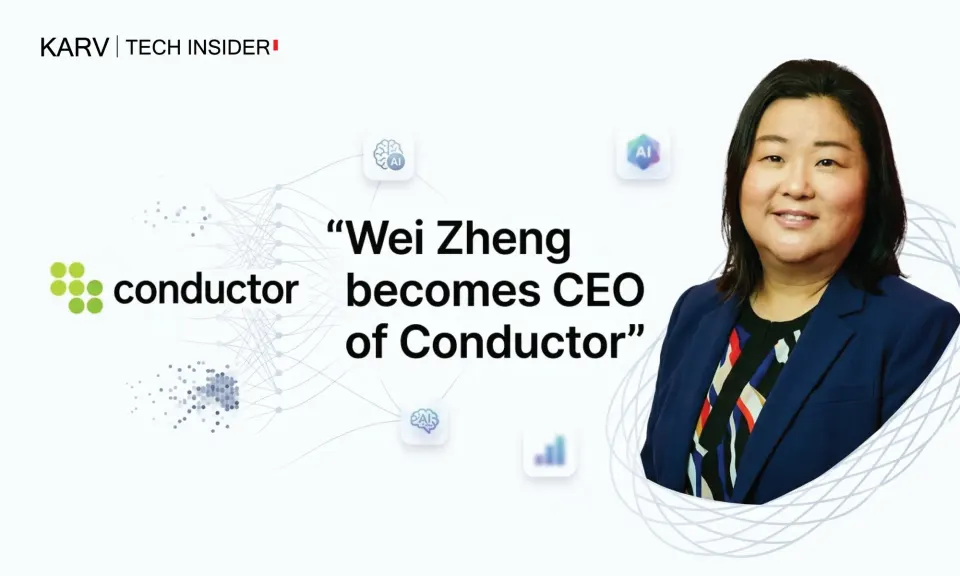
Enterprise digital visibility company Conductor has appointed Wei Zheng as Chief Executive Officer, promoting her from her previous role as Chief Product Officer. The move comes as Conductor deepens its focus on Answer Engine Optimization (AEO) amid the growing influence of AI on how consumers discover and evaluate brands.
HubSpot's chief marketing officer and a senior growth executive say the inbound marketing model they helped create is no longer fit for purpose, citing a loss of 5 million blog visits in a single month and a 37% rise in AI-driven search as evidence. Writing in Fortune, Kipp Bodnar and Kieran Flanagan argue that AI answer engines have shattered the traditional buyer funnel and call for a full organisational transformation built around a new "Loop Marketing" framework.
A joint analysis by WARC, LinkedIn and LIONS Advisory, building on earlier research by LinkedIn and Bain & Company, argues that B2B brands must move beyond visibility to build verifiable "Buyability" signals — a shift made more urgent as large language models take a growing role in the purchasing journey. An examination of 700 B2B campaigns found that those with high Buyability scores were significantly more likely to report improvements in ROI and incremental revenue.
A September 2026 expert opinion piece in Nation's Restaurant News argues that foodservice equipment manufacturers and ingredient brands must rethink their go-to-market strategies as B2B buyers now complete approximately 70% of their purchasing journey independently and 84% have already chosen a preferred vendor before conversations begin — a shift that makes pre-sales influence the decisive battleground for suppliers.