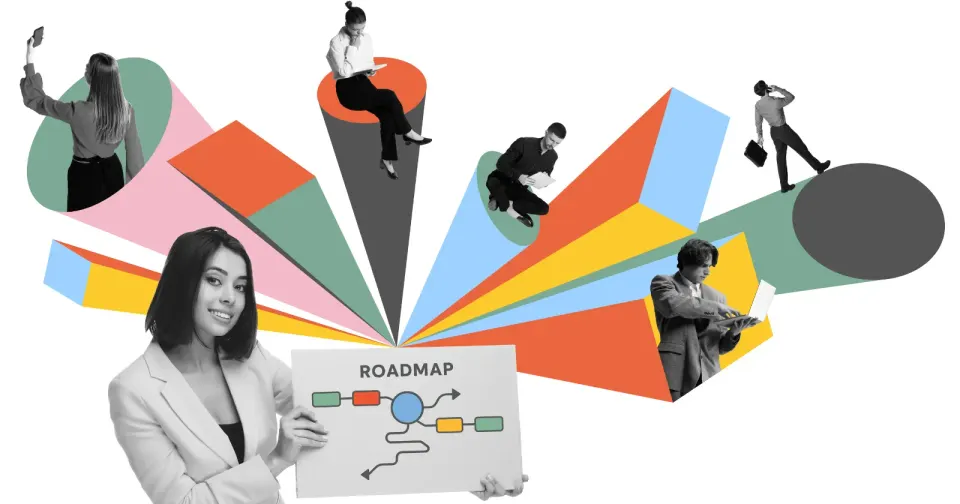
Voltage president Corey Morris has outlined a six-step SEO content roadmap designed for the AI search era, arguing that traditional keyword-volume-first strategies are insufficient when Google AI Overviews suppress organic clicks by roughly 58 percent on top-ranked pages.
As AI agents increasingly handle product discovery and purchasing on behalf of consumers, a new category of startup is emerging to help US brands optimise their visibility to these non-human buyers — shifting marketing strategy from emotional appeal to structured data and logic.
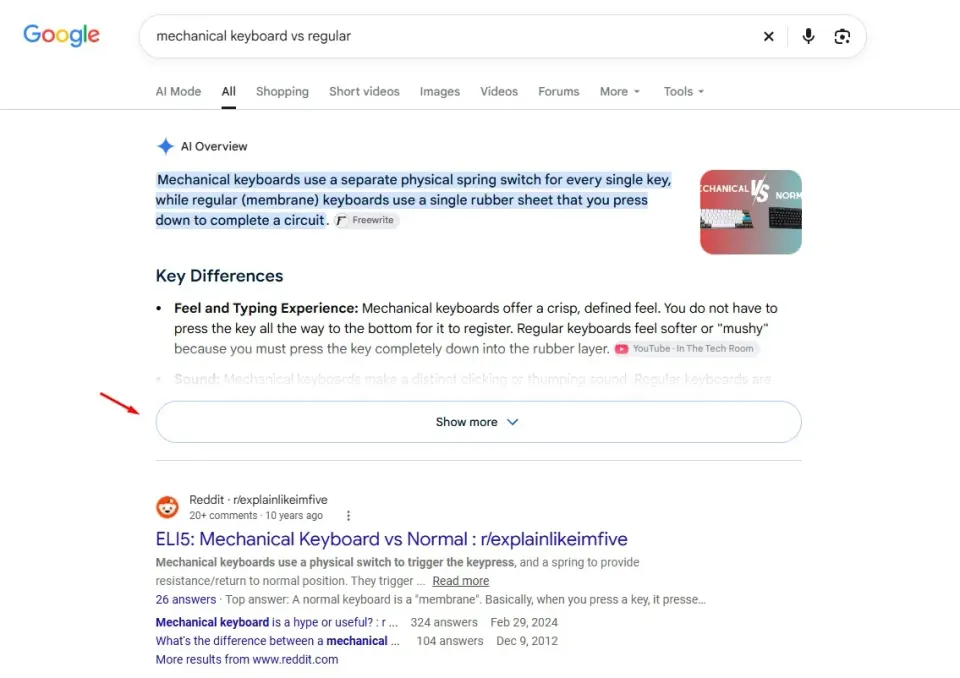
Google is again experimenting with placing AI Overview citation cards at the bottom of desktop search results rather than on the right side, marking at least the third time the company has tested this layout variation since September 2025.
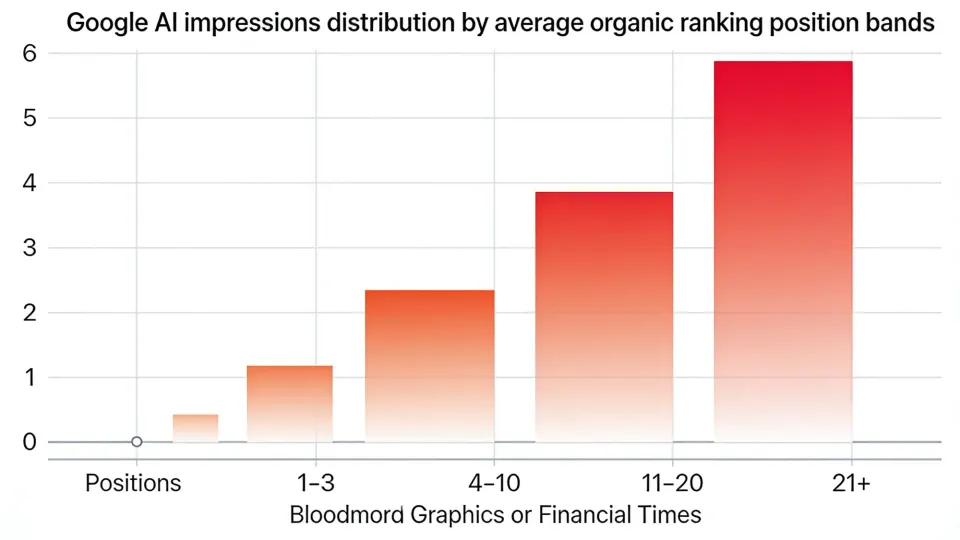
Analysis of Google Search Console's new Generative AI report reveals that high organic rankings do not reliably predict visibility in AI Overviews or AI Mode. Data from a major travel site shows brand reputation and content usefulness are stronger drivers of AI search exposure than organic position alone.
Growth consultant Jason Shafton of Winston Francois outlines five measures — brand presence on buyer prompts, answer accuracy, AI referral conversions, branded search volume, and self-reported attribution — to help B2B companies determine whether their AI search activity is generating qualified pipeline, not just impressions.
Search Engine Journal has announced a webinar scheduled for October 14, 2026, in which STAT's Tom Capper will outline measurement challenges posed by AI Overviews and large language models and offer tactical solutions for enterprise SEO practitioners.
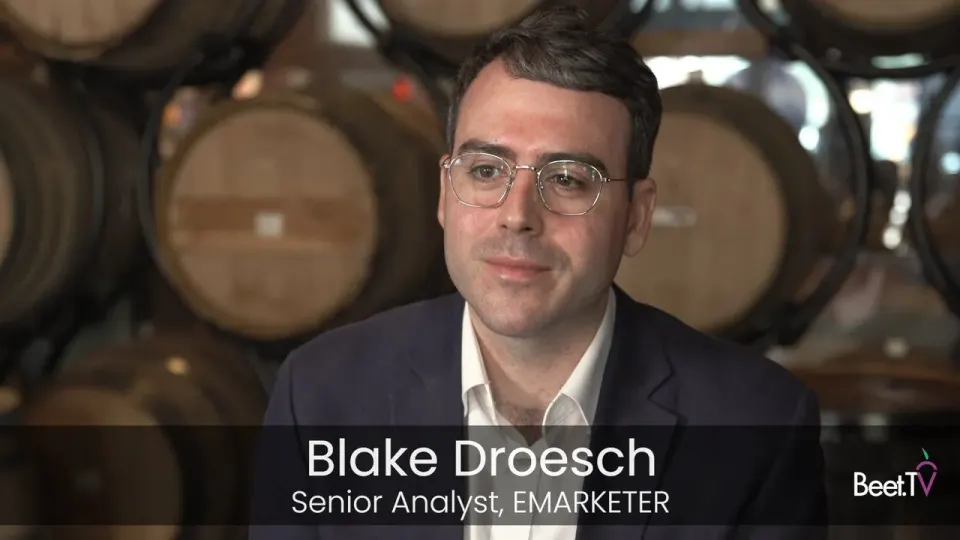
At EMARKETER's Future of Digital Summit 2026, senior analyst Blake Droesch said AI platforms surface far fewer products to consumers than traditional retail or search, creating urgency for brands to secure visibility through owned websites and strong retail channel presence — while questioning whether rising generative engine optimization (GEO) spending delivers sufficient ROI.
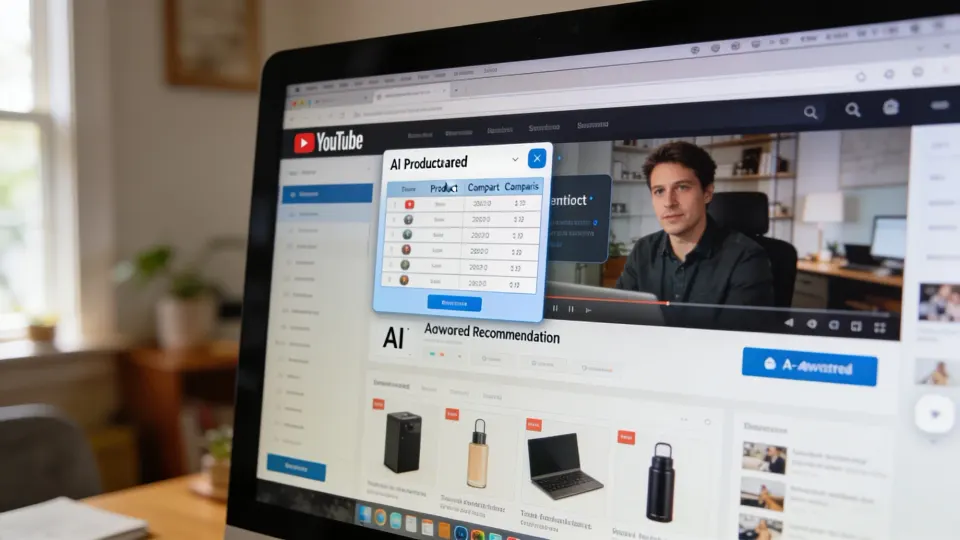
YouTube has expanded its Ask YouTube tool with AI-powered shopping features, allowing viewers to request product recommendations, comparisons, and buying guidance directly on the video watch page. Powered by a custom Gemini AI model, the feature saw more than 140 million users in June alone — a rise of over 500% since December. YouTube's Shopping affiliate program is also set to expand to 35 countries by year-end.
A Search Engine Journal analysis argues that AI agents do not fix poor audience data but instead scale its flaws at machine speed, cautioning marketers that citation counts in AI search results are an insufficient measure of success without underlying data quality.
New LinkedIn research finds 88% of Australian B2B marketers believe their company's future growth depends on engaging Gen Z and Millennial decision-makers, as LinkedIn platform data shows those generations now hold 48% of Australian leadership roles — up from 35% in 2016. The study points to expert-voice content and trusted professional networks as the most effective strategies for reaching younger buyers, while credibility is increasingly rated above visibility as AI reshapes brand discovery.
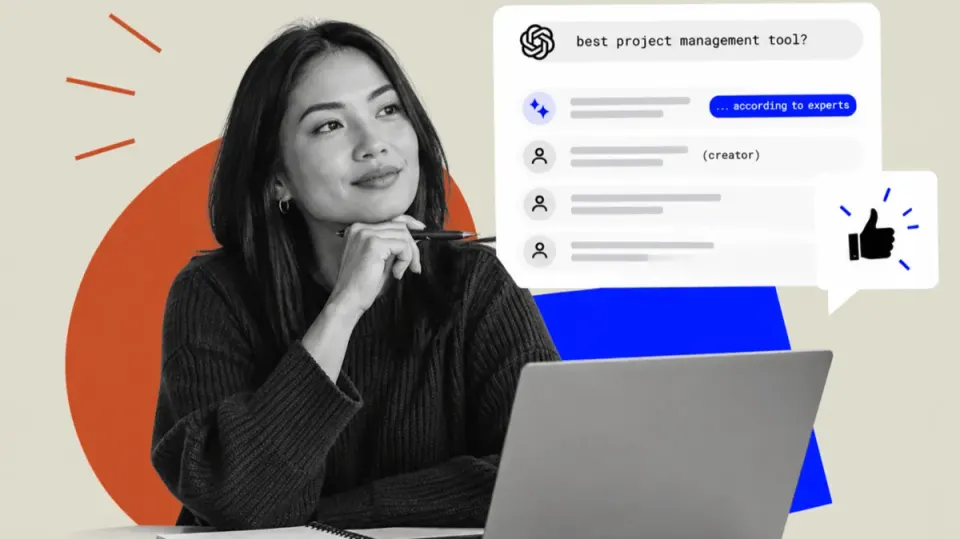
A new Creator AEO playbook from social media platform Later, based on a survey of 487 marketers, finds that as many as one in three AI answers cite creator content, while most brands continue to invest their AI search budgets in company-owned channels that AI models weigh least.
Microsoft is moving its communications team out of marketing and into the Corporate, External and Legal Affairs organization led by vice chair and president Brad Smith, placing reputation management alongside legal, regulatory and government-relations functions. Brent Colburn will serve as interim communications leader while Microsoft searches for a new chief communications officer, and CEO Satya Nadella is urging more employees and executives to become public voices for the company.