Contentstack released a September 2026 update to its Assets add-on introducing AI-generated metadata, background duplicate-image detection and a new self-service subscription model, alongside headless CMS improvements covering bulk operations, multi-provider SSO and an API behavior change.
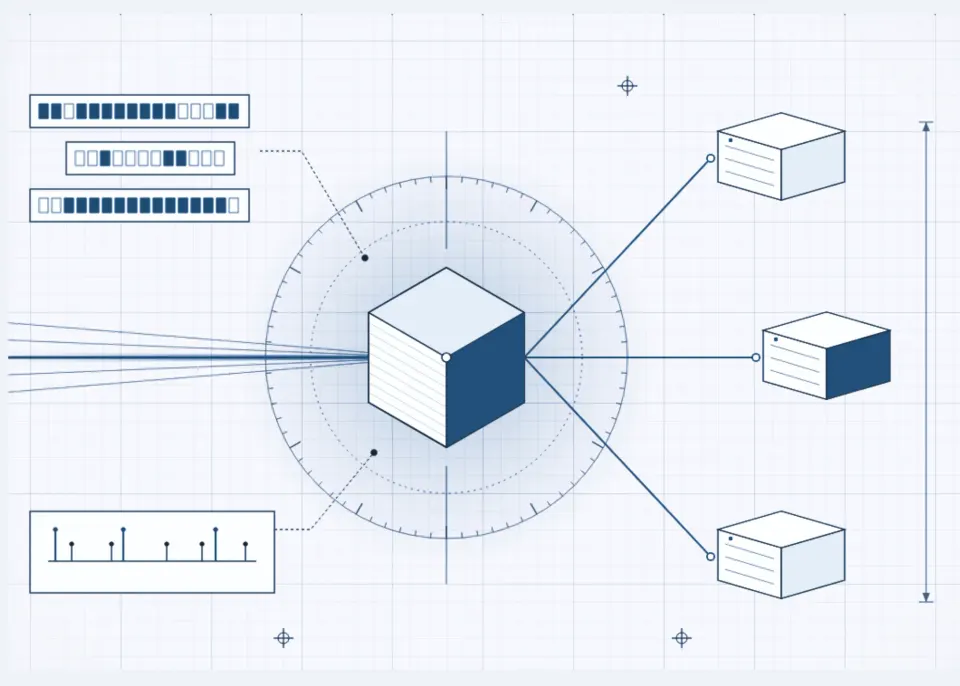
Perplexity has released Photon, an in-house retrieval and ranking engine written in Rust, replacing a forked open-source engine. The company reports that production p99 latency dropped from roughly 800 ms to 65 ms. Photon now handles all production search traffic and powers a new Fast Search mode in the Perplexity Search API, priced at $1 per 1,000 requests.
Google's Chrome 146, released in August 2026, includes document.modelContext, a browser-native API that allows websites to expose structured tools directly to AI agents, bypassing traditional methods such as DOM scraping, screenshot interpretation, and simulated clicks. The feature has reportedly attracted little developer attention since its release.
ZoomInfo has launched a native Model Context Protocol (MCP) connector inside Replit's Integrations marketplace, giving developers natural-language access to verified company and contact data through its GTM.AI platform without requiring custom API integration.
A webinar hosted by Go Fish Digital and OpenAI outlined the distinct roles of paid ChatGPT ads and earned generative engine optimization (GEO) visibility, explaining how to measure brand presence in AI-generated answers and why website evidence must come first.
A tiered reference table published by SEO consultant Chris Green maps the data sources currently used by AI search tools such as Google Gemini, Microsoft Copilot, and ChatGPT, ranging from confirmed real-time grounding feeds to historical pretraining corpora, and urges search practitioners to broaden their focus beyond traditional web rankings.
Job site operators say their applications for expanded access to Google's Indexing API have gone unanswered for months, with some consultants hypothesizing that no new job board approvals have been granted in 2026. Google's own documentation continues to recommend the API for job posting URLs, while the company has not publicly addressed the reported backlog.
Conversational AI tools are fragmenting the traditional retail search journey, forcing brands to rethink how they structure product data, create content, and measure visibility. Experts say success now hinges on verified product knowledge graphs, schema markup, and cross-functional teams — not keyword density and backlinks.
A University of Illinois Urbana-Champaign preprint studying 30,000 Reddit AI search answers found that already-upvoted, formally written comments were far more likely to be selected than comments rich in personal experience—and that most first-person language was stripped in the final answers.
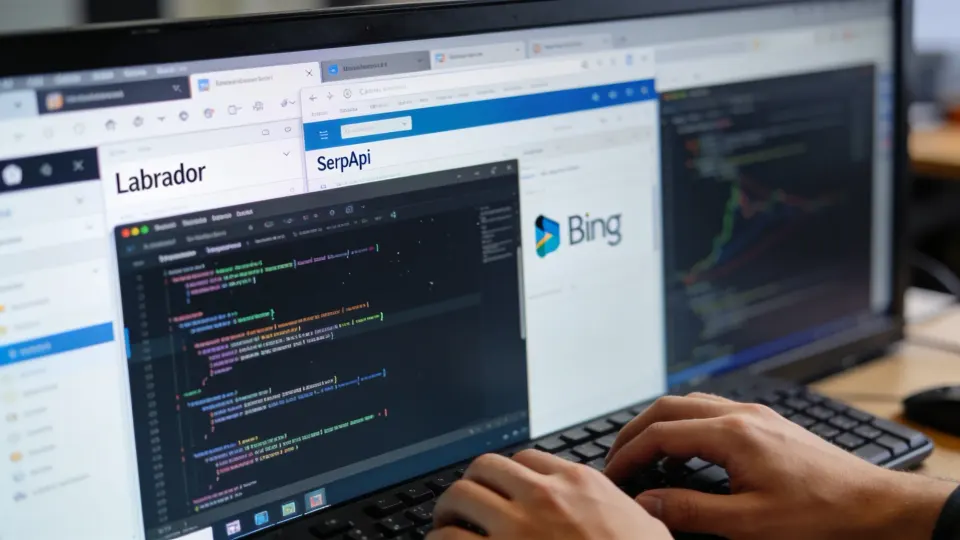
A new analysis by Olivier de Segonzac maps the layered data pipeline behind ChatGPT's real-time web answers, revealing OpenAI's proprietary Labrador bots, Bing's image index, and SerpApi — the latter currently the target of a Google lawsuit over unauthorized scraping. A federal judge in September 2026 rejected SerpApi's bid to compel Google to disclose licensing agreements.
At Yandex's Practical ML Conf on September 19, 2026, two talks in the 'Network' hall presented NEEDLE — a proposed online benchmark for search engine APIs used by agents — and Ouroboros, a coding agent with a constitution, memory, and the ability to commit to its own repository. Both talks were broadcast live and free on YouTube, though neither project has yet published a full methodology or repository.