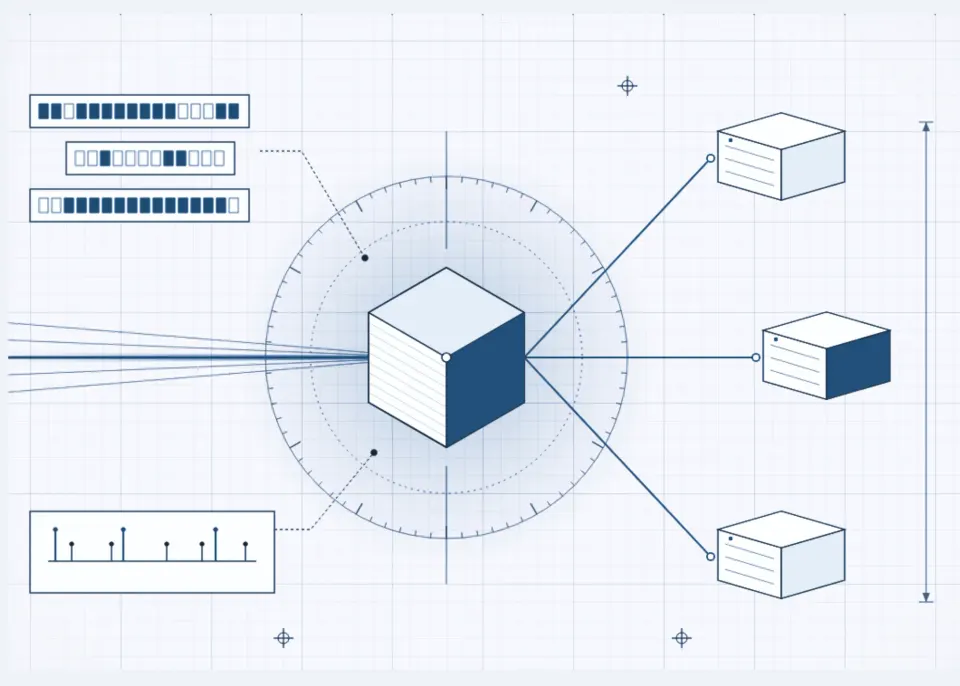
Perplexity has released Photon, an in-house retrieval and ranking engine written in Rust, replacing a forked open-source engine. The company reports that production p99 latency dropped from roughly 800 ms to 65 ms. Photon now handles all production search traffic and powers a new Fast Search mode in the Perplexity Search API, priced at $1 per 1,000 requests.
Google has announced the Retrieve-for-Train-Diffusion (R4T-Diffusion) model, a three-stage query fan-out framework that combines reinforcement learning, synthetic data generation, and a compact 53.9-million-parameter diffusion model. The system claims a 12-to-20× speed improvement over autoregressive approaches and is described as delivering production-ready search at scale, though whether it has been fully deployed remains unconfirmed.
Multiple datasets from Meltwater, Tinuiti, OtterlyAI, Weglot, and Scrunch show YouTube has become the most-cited platform across eight major AI systems, with long-form videos between 10 and 20 minutes receiving the highest share of citations — though those citations can fade by roughly 43% within a month.
A tiered reference table published by SEO consultant Chris Green maps the data sources currently used by AI search tools such as Google Gemini, Microsoft Copilot, and ChatGPT, ranging from confirmed real-time grounding feeds to historical pretraining corpora, and urges search practitioners to broaden their focus beyond traditional web rankings.
Conversational AI tools are fragmenting the traditional retail search journey, forcing brands to rethink how they structure product data, create content, and measure visibility. Experts say success now hinges on verified product knowledge graphs, schema markup, and cross-functional teams — not keyword density and backlinks.
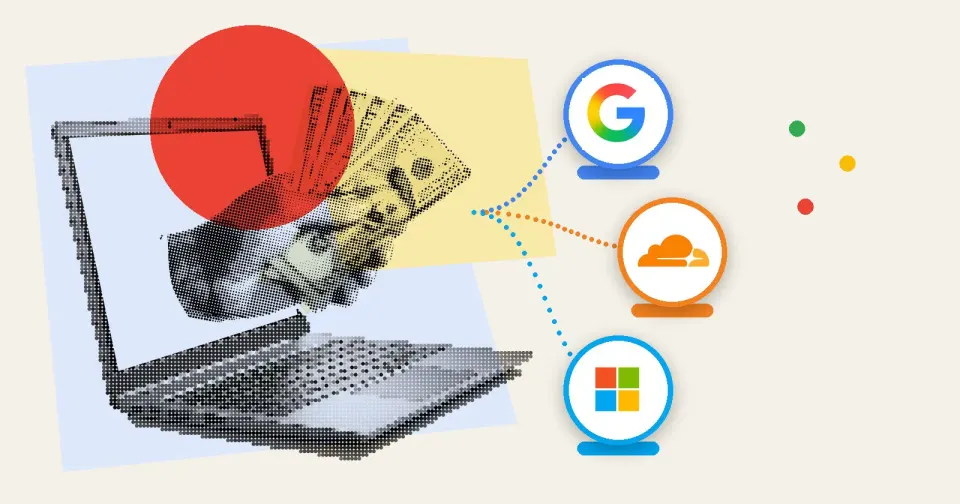
Google, Cloudflare, and Microsoft are each piloting distinct systems to compensate publishers whose content powers AI-generated responses, but the three approaches differ significantly in how value is defined, what controls site owners hold, and how transparent the resulting data is.
Research published by Everything-PR finds that twelve hospitality brands capture 68 percent of AI citation share across five major AI platforms, leaving the rest of the industry largely invisible at the discovery stage. Marriott leads with a GEO Score of 83, while the study identifies thin digital source graphs — not brand weakness — as the primary reason otherwise reputable names lose out.