The widespread adoption of AI-powered search tools is forcing PR and marketing professionals to rethink what "earned media" means, as AI systems now assess brand content for credibility, authority, consistency and frequency rather than how a placement was procured, according to a column published by Brandpoint's chief commercial officer in USA Today on September 22, 2026.
Job site operators say their applications for expanded access to Google's Indexing API have gone unanswered for months, with some consultants hypothesizing that no new job board approvals have been granted in 2026. Google's own documentation continues to recommend the API for job posting URLs, while the company has not publicly addressed the reported backlog.
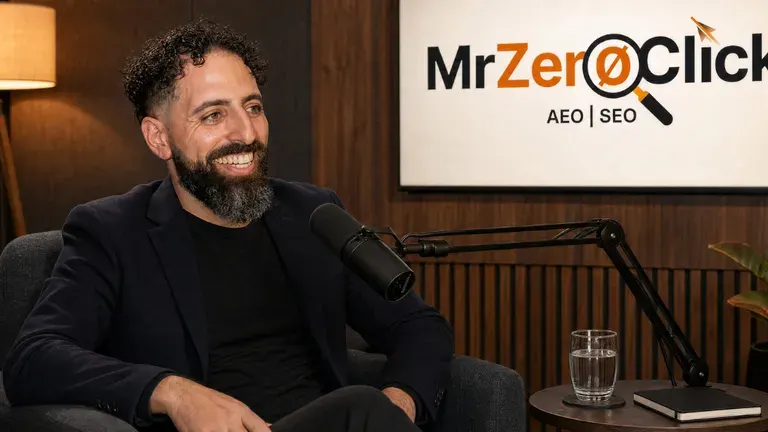
Marcel Harfouche, founder of Australian consultancy MrZeroClick, is positioning brands to gain visibility inside AI-generated answers rather than traditional search rankings, as a reported 68 percent of searches now end without a click. CEO Times profiled his approach on 20 September 2026, noting a Best of Best Review recognition as Best AI Search Expert in Australia of 2026.
Conversational AI tools are fragmenting the traditional retail search journey, forcing brands to rethink how they structure product data, create content, and measure visibility. Experts say success now hinges on verified product knowledge graphs, schema markup, and cross-functional teams — not keyword density and backlinks.
Regina Moura, head of corporate communications at Roche Pharma Brazil, argues that generative AI has fundamentally shifted the rules of digital visibility: earned media and source credibility now drive brand presence, replacing keyword volume as the dominant currency of search.
A new Search Engine Journal survey of search professionals finds that organic traffic is declining for many teams while conversions hold steady, and that budget plans are tilting sharply toward generative engine optimization (GEO) even though fewer than one in ten marketers feel confident measuring AI visibility.
Content creators and their agencies are adding answer engine optimization (AEO) and AI search visibility to brand pitches, as conversational AI platforms become a new channel for product discovery. Industry figures from Tinuiti, Deloitte Digital, IZEA, Collectively, and IAB UK say measurement standards are still nascent but interest is growing fast.
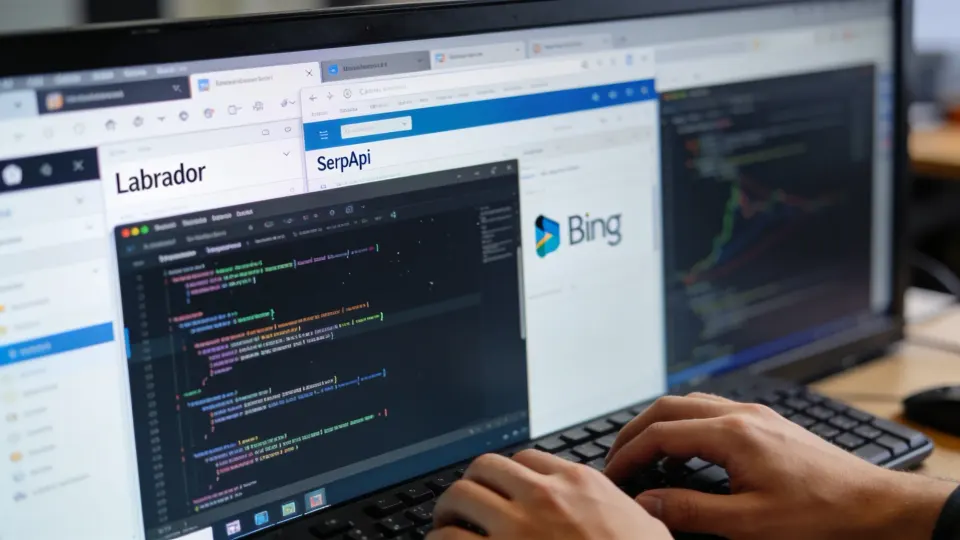
A new analysis by Olivier de Segonzac maps the layered data pipeline behind ChatGPT's real-time web answers, revealing OpenAI's proprietary Labrador bots, Bing's image index, and SerpApi — the latter currently the target of a Google lawsuit over unauthorized scraping. A federal judge in September 2026 rejected SerpApi's bid to compel Google to disclose licensing agreements.
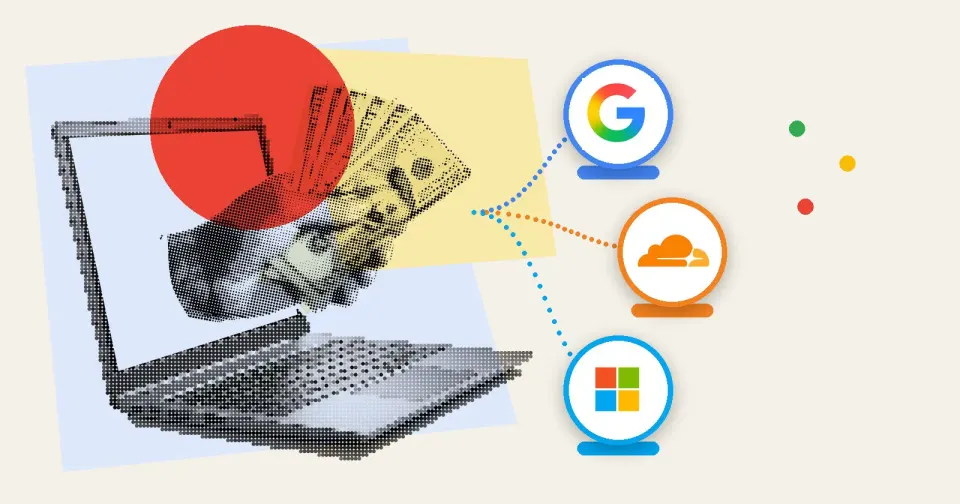
Google, Cloudflare, and Microsoft are each piloting distinct systems to compensate publishers whose content powers AI-generated responses, but the three approaches differ significantly in how value is defined, what controls site owners hold, and how transparent the resulting data is.
Research published by Everything-PR finds that twelve hospitality brands capture 68 percent of AI citation share across five major AI platforms, leaving the rest of the industry largely invisible at the discovery stage. Marriott leads with a GEO Score of 83, while the study identifies thin digital source graphs — not brand weakness — as the primary reason otherwise reputable names lose out.