Multiple industry surveys show a widening gap between the mandate handed to customer experience leaders to deploy AI and the decision-making authority they actually hold, with Gartner, Grant Thornton and Deloitte data pointing to fragmented ownership, weak governance readiness and customer outcomes left undefended.
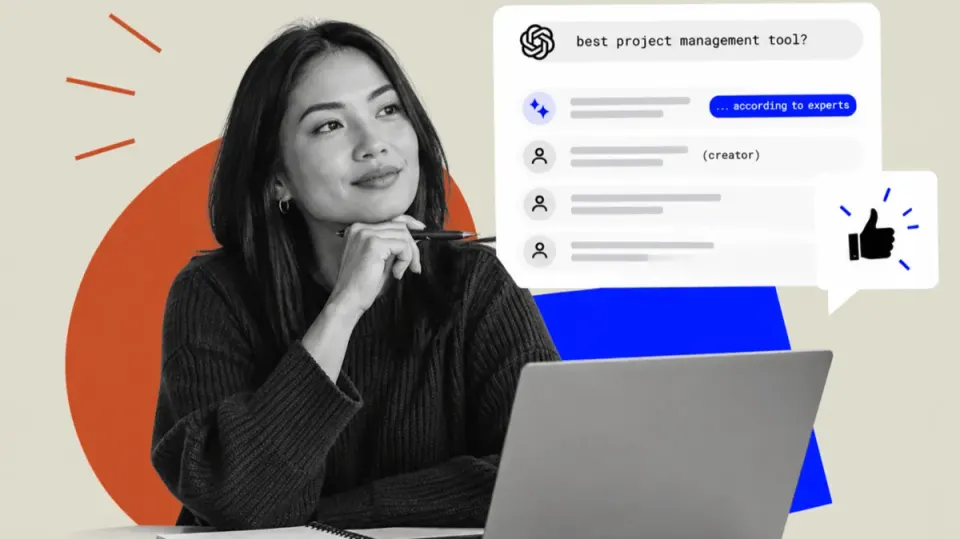
A new Creator AEO playbook from social media platform Later, based on a survey of 487 marketers, finds that as many as one in three AI answers cite creator content, while most brands continue to invest their AI search budgets in company-owned channels that AI models weigh least.
HubSpot's chief marketing officer and a senior growth executive say the inbound marketing model they helped create is no longer fit for purpose, citing a loss of 5 million blog visits in a single month and a 37% rise in AI-driven search as evidence. Writing in Fortune, Kipp Bodnar and Kieran Flanagan argue that AI answer engines have shattered the traditional buyer funnel and call for a full organisational transformation built around a new "Loop Marketing" framework.
A September 2026 expert opinion piece in Nation's Restaurant News argues that foodservice equipment manufacturers and ingredient brands must rethink their go-to-market strategies as B2B buyers now complete approximately 70% of their purchasing journey independently and 84% have already chosen a preferred vendor before conversations begin — a shift that makes pre-sales influence the decisive battleground for suppliers.
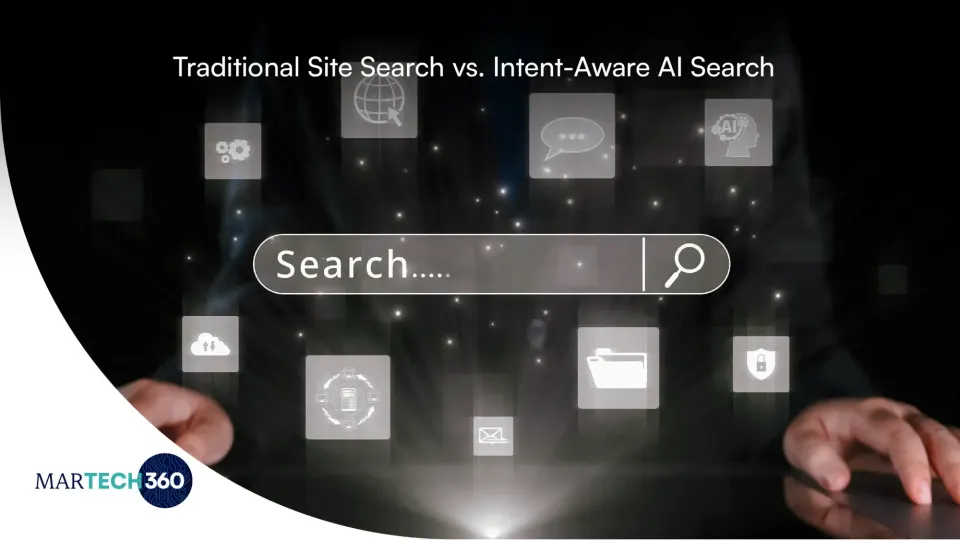
A Martech360 analysis published 23 September 2026 compares traditional keyword-based site search with intent-aware AI search. While exact-match retrieval retains value for precise queries, semantic and vector-based approaches better handle natural-language queries. The report cites Google's AI Mode reaching 1 billion monthly active users in May 2026 and references vendor documentation from IBM, Microsoft, OpenAI and AWS to illustrate the technical and commercial stakes.
Singapore-based Pranas has published research showing that brands with strong conventional web presences can still be underrepresented or misattributed in AI-generated answers, coining the term "AI Visibility Gap." An analysis of more than 20,000 prompts found YouTube, Instagram and Wikipedia among the most-cited sources in Google AI Overviews, while separate studies revealed that brand mentions in AI results do not reliably translate into direct website traffic, and that AI visibility can diverge significantly from real-world market share.
Gini Dietrich, founder of Spin Sucks, has overhauled the PESO Model Certification into a workbook-driven "operating system" for communications professionals, adding a proprietary AI tool and retaining its Syracuse University academic partnership ahead of an official 2026 launch.
The sole supplied evidence is a promotional profile of brand consultant Rachel Dillon hosted on a content-farm subdomain of nycgo.com. It contains no verifiable news event relevant to AI Discovery, Buyer Behavior, Executive Visibility, Industry Authority, or Content Operations, and its unattributed statistics cannot be responsibly reported under the editorial guide.