Conversational AI tools are fragmenting the traditional retail search journey, forcing brands to rethink how they structure product data, create content, and measure visibility. Experts say success now hinges on verified product knowledge graphs, schema markup, and cross-functional teams — not keyword density and backlinks.
A new Search Engine Journal survey of search professionals finds that organic traffic is declining for many teams while conversions hold steady, and that budget plans are tilting sharply toward generative engine optimization (GEO) even though fewer than one in ten marketers feel confident measuring AI visibility.
Content creators and their agencies are adding answer engine optimization (AEO) and AI search visibility to brand pitches, as conversational AI platforms become a new channel for product discovery. Industry figures from Tinuiti, Deloitte Digital, IZEA, Collectively, and IAB UK say measurement standards are still nascent but interest is growing fast.
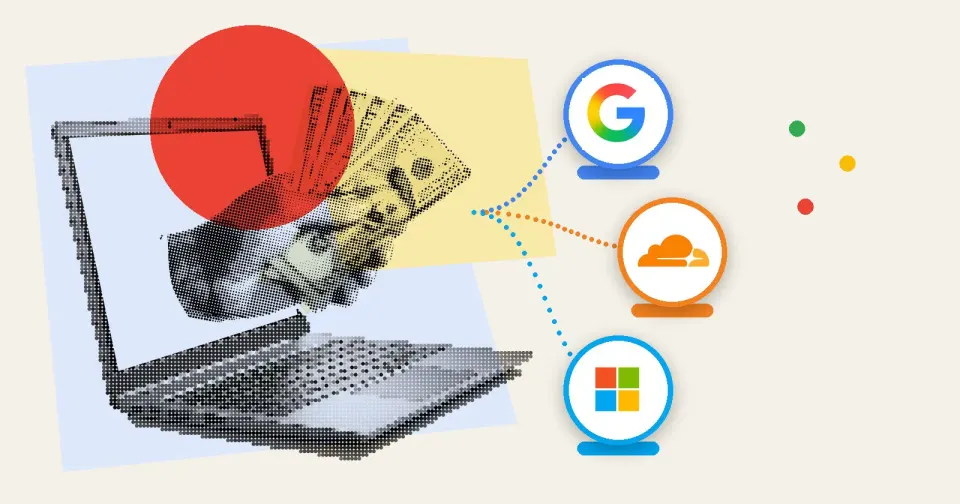
Google, Cloudflare, and Microsoft are each piloting distinct systems to compensate publishers whose content powers AI-generated responses, but the three approaches differ significantly in how value is defined, what controls site owners hold, and how transparent the resulting data is.
Research published by Everything-PR finds that twelve hospitality brands capture 68 percent of AI citation share across five major AI platforms, leaving the rest of the industry largely invisible at the discovery stage. Marriott leads with a GEO Score of 83, while the study identifies thin digital source graphs — not brand weakness — as the primary reason otherwise reputable names lose out.