AI developer infrastructure company Parallel reports that GPT-6 Astra halved both the time and cost of complex, multi-source labor-market research tasks compared with previous frontier models, while maintaining output quality and enabling more efficient multi-agent workflows.
Multiple datasets from Meltwater, Tinuiti, OtterlyAI, Weglot, and Scrunch show YouTube has become the most-cited platform across eight major AI systems, with long-form videos between 10 and 20 minutes receiving the highest share of citations — though those citations can fade by roughly 43% within a month.
A tiered reference table published by SEO consultant Chris Green maps the data sources currently used by AI search tools such as Google Gemini, Microsoft Copilot, and ChatGPT, ranging from confirmed real-time grounding feeds to historical pretraining corpora, and urges search practitioners to broaden their focus beyond traditional web rankings.
Google's Lighthouse 13.5 introduces an experimental audit for Agentic Resource Discovery (ARD), a proposed specification that enables AI agents to locate tools and services offered by a website. The audit is grouped under a new "Agent Discoverability" heading alongside the existing llms.txt audit, and is expected to roll out in Chrome 156 DevTools and PageSpeed Insights within two weeks.
Shopify CEO Tobi Lütke has named a new workplace phenomenon born of AI overuse: the "slop grenade," referring to AI-generated output handed to a colleague without being read first. Speaking on The Knowledge Project podcast released September 15, 2026, Lütke warned that lazy AI use has shifted work rather than eliminated it, with coworkers bearing the review cost. The comments arrive roughly 17 months after Lütke made AI use a baseline expectation at Shopify, and amid rising third-party data showing growing freelance demand for AI output correction.
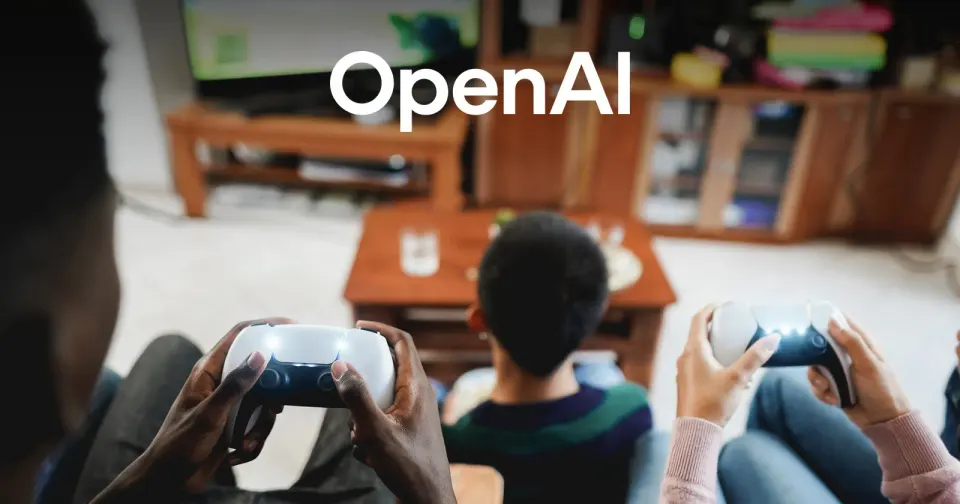
Sponsored ads appeared in 47% of ChatGPT conversations about video games and consoles tracked by Comscore in June 2026, up sharply from 3% in March, according to the firm's Q2 2026 AI Intelligence Report. Ad presence also rose across toys, hobbies, books, music, and video categories over the same period.
EMARKETER principal analyst Sky Canaves says AI is adding complexity to the consumer purchase journey rather than collapsing it, with shoppers using AI primarily for mid-funnel research while social media overtakes search engines for product discovery.
Google and DeepMind researchers have introduced Dream-RSI, a technique that allows AI agents to test alternative search strategies by replaying recorded past attempts rather than running costly new computations. Benchmarked on Gemini 3.1 Pro and Gemini 3.7 Flash across eight tasks, the method matched or outperformed baselines while sharply reducing the number of live attempts required.
A new arXiv preprint testing GPT-5.4's citation behavior found that while top-ranked sources are cited far more often in raw data, deliberately swapping source order produced a much smaller and statistically insignificant effect — suggesting observed position gaps largely reflect content quality rather than rank alone. Structured formatting showed a modest but inconclusive citation lift, and model randomness caused citation decisions to flip in roughly one in seven reruns.
At Yandex's Practical ML Conf on September 19, 2026, two talks in the 'Network' hall presented NEEDLE — a proposed online benchmark for search engine APIs used by agents — and Ouroboros, a coding agent with a constitution, memory, and the ability to commit to its own repository. Both talks were broadcast live and free on YouTube, though neither project has yet published a full methodology or repository.