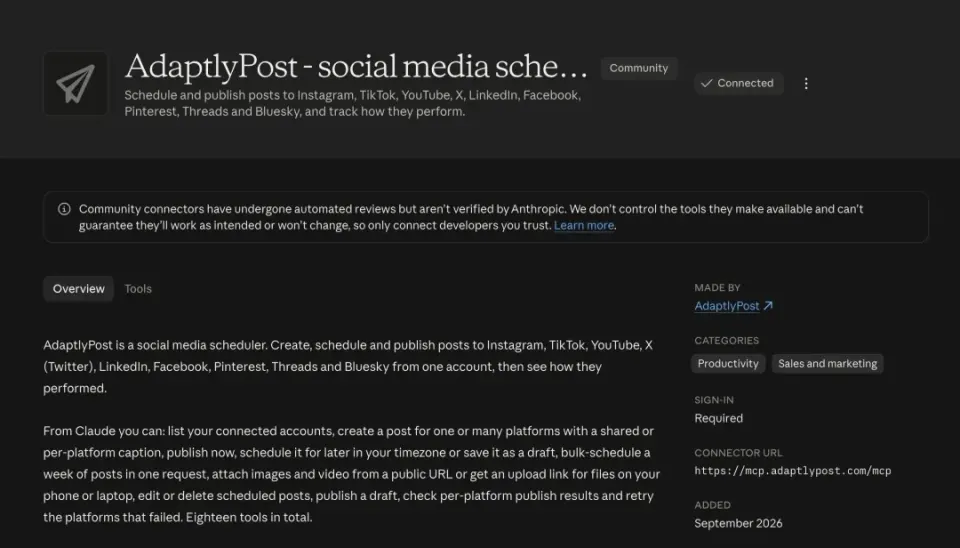
AdaptlyPost, a social media scheduling platform based in Gdansk, Poland, has made its connector available in Anthropic's Claude directory, enabling Claude users to create, schedule, publish and analyse posts across ten social networks without leaving a chat session.
Wyndham Hotels & Resorts, Opella and BetMGM are among a growing tier of advertisers building in-house AI creative teams to mass-produce digital assets, reporting dramatic output gains while exercising selective guardrails on automated content.
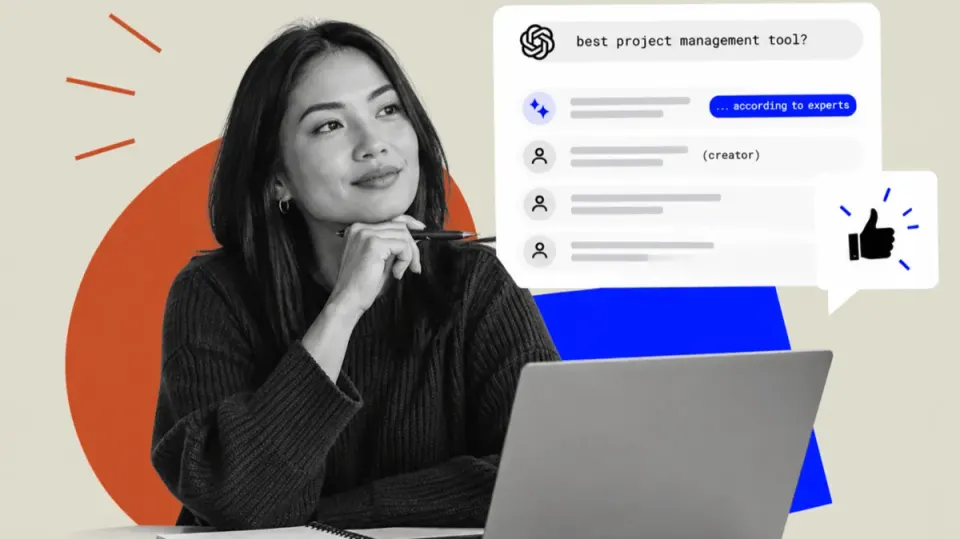
A new Creator AEO playbook from social media platform Later, based on a survey of 487 marketers, finds that as many as one in three AI answers cite creator content, while most brands continue to invest their AI search budgets in company-owned channels that AI models weigh least.
A September 2026 expert opinion piece in Nation's Restaurant News argues that foodservice equipment manufacturers and ingredient brands must rethink their go-to-market strategies as B2B buyers now complete approximately 70% of their purchasing journey independently and 84% have already chosen a preferred vendor before conversations begin — a shift that makes pre-sales influence the decisive battleground for suppliers.
A Sprout Social survey of 2,286 consumers across the US, UK and Australia finds that more than half plan to reduce holiday spending amid tariff concerns and rising prices, while social media has emerged as a top destination for gift discovery and customer service throughout the shopping journey.
Google is experimenting with a "Dive Deeper" feature in Discover that opens an AI-generated topic overview directly from a feed card, potentially keeping users on Google-owned surfaces before — or instead of — visiting a publisher's site. The test begins with video content and raises new measurement questions for publishers tracking the gap between AI impressions and actual referral clicks.
Singapore-based Pranas has published research showing that brands with strong conventional web presences can still be underrepresented or misattributed in AI-generated answers, coining the term "AI Visibility Gap." An analysis of more than 20,000 prompts found YouTube, Instagram and Wikipedia among the most-cited sources in Google AI Overviews, while separate studies revealed that brand mentions in AI results do not reliably translate into direct website traffic, and that AI visibility can diverge significantly from real-world market share.
Google is testing a program that pays publishers when their content meaningfully contributes to AI-generated answers, while simultaneously acknowledging that Search Console reporting for AI search results remains inadequate. Meanwhile, Google lowered the follower threshold for Search profiles to 10,000, and Cloudflare introduced a new setting allowing sites to block AI training without cutting off search crawlers.